
Minimalist Imagery
Minimal elements, maximum visual impact.


Welcome to This Week’s Edition of The Carty Method Magazine
This week, photographers were challenged to embrace simplicity and create images that communicate with clarity and restraint.
By focusing on clean lines, negative space, and a limited colour palette, members were asked to remove visual noise and allow the subject to speak with quiet authority.
The result is a collection of images that demonstrate how less can communicate more.
There is nothing more powerful than simplicity, it reveals how clearly a photographer can see and communicate.
Why This Matters
Minimalist imagery demands intention.
By reducing distractions and focusing only on essential elements, photographers strengthen their ability to communicate mood, structure, and meaning with precision.
This discipline is fundamental in high-end editorial and commercial work, where clarity, restraint, and visual hierarchy are essential.
Learning to simplify strengthens composition, sharpens visual judgment, and reinforces confidence in creative decision-making.
Assignment Brief
At the end of each review session, CARTY delivers a focused brief, outlining exactly what members must create for the following week.
Here is the assignment exactly as it was shared:
“This week’s assignment: Minimalist Imagery in Your Niche.”
Participants were asked to create a vertical image using clean lines, negative space, and a limited colour palette to express the power of simplicity.
Whether through portraiture, environment, or objects, the goal was to isolate the subject and communicate clearly with minimal visual elements.
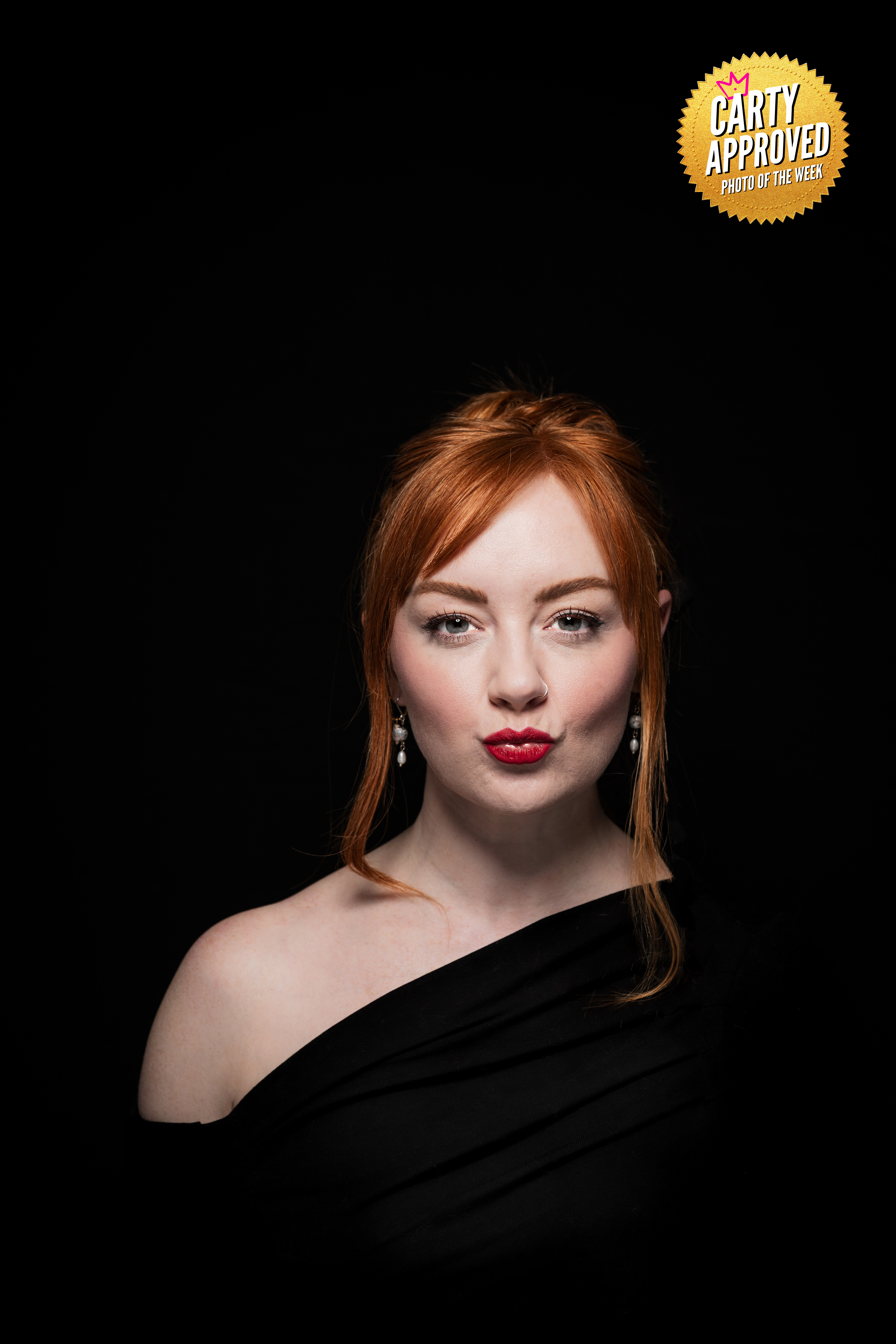
Sonny Warren
What decisions helped you simplify the frame while preserving the strength of the message?
I knew I wanted to have the model popping out of the black background, bringing focus on her red hair, red lip, and the contrast of her skin on the background.
How did negative space contribute to the clarity and balance of the image?
The model’s black, off the shoulder top on the black background creates a bold diagonal line of her skin that gives the feeling that she is floating in the image.
What role did restraint play in shaping the final composition?
Restraint in posing and movement of the model played a huge role in creating this portrait.
What did you intentionally remove to prevent visual distraction?
I intentionally removed all colours other than red so the model’s hair, lip and skin would pop.
How does this image reflect your ability to communicate with precision and control?
Using simple lighting, posing, and minimalist composition this portrait gives a bold connection and visual interest that piques the viewers curiosity.
Social Media Handles:
IG: sonnywarrenphoto
Website: sonnywarrenphoto.com

Ivan Kostov
What decisions helped you simplify the frame while preserving the strength of the message?
I decided to shoot minimal colours in the photo. Simple one colour background and simple one colour dress for my model.
How did negative space contribute to the clarity and balance of the image?
I think that the image was well framed so the negative space just helped make the image stronger.
What role did restraint play in shaping the final composition?
It helped with choosing background and clothing.
What did you intentionally remove to prevent visual distraction?
I wanted no brand clothing with one colour and one colour background and also open shade. I didn’t want any shades in the image
How does this image reflect your ability to communicate with precision and control?
I think that it is a very simple image which makes it a good portrait.
The minimalistic nature and the execution of minimalism of the image helps to communicate both precision and control.
Social Media Handles:
IG: ivankkostov
Website: ivankostov.org
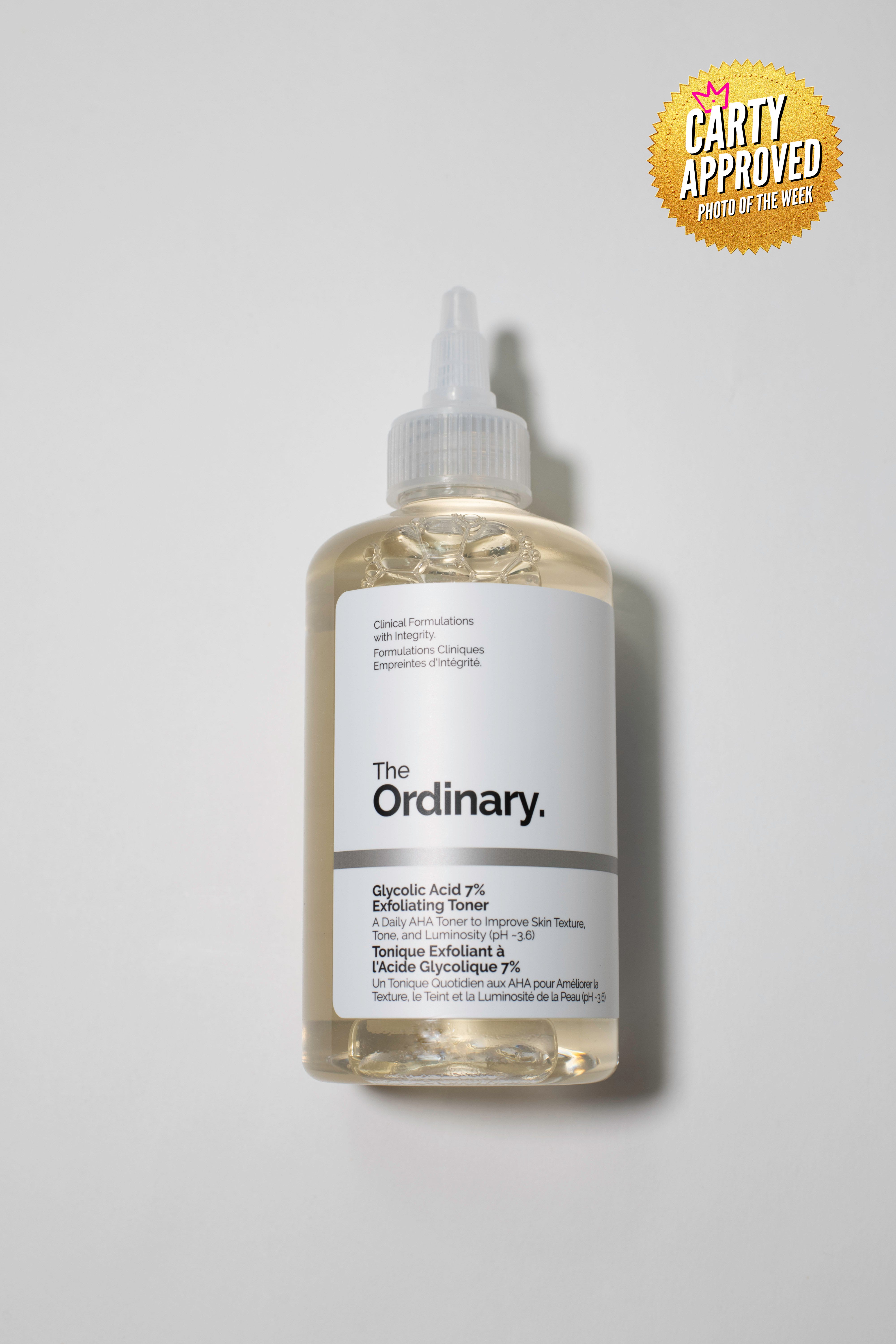
Denise Tuggle
What decisions helped you simplify the frame while preserving the strength of the message?
The decisions that allowed me to simplify the frame while preserving the message’s strength centred on control and hierarchy.
First, I ensured the product was intentionally balanced within the frame, positioning it as the undeniable hero of the shot.
Its placement was deliberate—grounded, centred, and visually dominant—so there was no ambiguity about the focal point.
Second, I maintained strong, directional lighting to reinforce structure and presence.
The hard shadows add depth and definition, the crisp highlights articulate form and texture, and the sharp focus underscores clarity and professionalism.
Together, these decisions create a restrained yet powerful composition. Minimal in elements, but confident and visually assertive in execution.
How did negative space contribute to the clarity and balance of the image?
The negative space in my photograph plays a critical role in establishing clarity and compositional balance.
Rather than functioning as space, it serves as an intentional design element that directs the viewer’s eye toward the centre of the frame, where the product becomes the clear focal point.
By controlling the surrounding space, I reinforced the visual hierarchy and allowed the product to stand confidently without distraction.
I also composed the image with practical application in mind.
The strategic use of negative space allows an art director to incorporate copy whether at the masthead or along the bottom of the layout, without compromising the integrity of the composition.
This ensures the image functions not only as a standalone visual but as an adaptable asset for both print and digital advertising.
What role did restraint play in shaping the final composition?
Because the assignment centred on minimalism, the discipline required to keep the composition simple was significant.
The brief specified a vertical orientation with limited spatial allowance, leaving little room for anything beyond the product itself.
Rather than viewing that constraint as limiting, I used it strategically.
The narrow frame forced intentional decision-making, every element had to justify its presence.
By eliminating distractions, I was able to concentrate entirely on the product, refining its placement, lighting, and shadow to ensure it carried the full visual weight of the image.
The restraint ultimately strengthened the outcome.
It heightened focus, clarified the visual hierarchy, and allowed the product to command attention with confidence and purpose.
What did you intentionally remove to prevent visual distraction?
In my original composition, I incorporated two smaller bottles alongside the primary product.
Conceptually, the goal was to create visual balance and interplay between the forms while carefully managing shadow direction and density.
However, the lighting and shadow relationships competed rather than complemented one another.
The composition began to feel forced, and the visual hierarchy was diluted.
Recognizing that the concept was not resolving artistically, I deconstructed the setup and shifted to a single-product focus.
By isolating one bottle, I regained control over balance, negative space, and shadow placement.
The hard shadows became intentional design elements rather than distractions, reinforcing structure and clarity.
The final approach is stronger compositionally.
It elevates the minimalist concept, allowing the product to command attention with confidence while demonstrating restraint, precision, and control in both lighting and design.
How does this image reflect your ability to communicate with precision and control?
This image reflects my ability to communicate with precision and control through intentional lighting and composition.
I used a strong key light to direct the narrative, allowing the shadow to fall to the right of the bottle for depth and dimensionality.
The shadow placement was deliberate, creating visual structure and reinforcing the product as the focal point.
I also chose a top-down perspective to introduce height and balance within the frame.
This angle enhances graphic clarity, making the composition highly adaptable for both digital advertising and print applications.
The result is a controlled, purposeful image that demonstrates not only technical proficiency but strategic visual communication.
Social Media Handles:
IG: denisetphotography
Website: denisetugglephotography.com
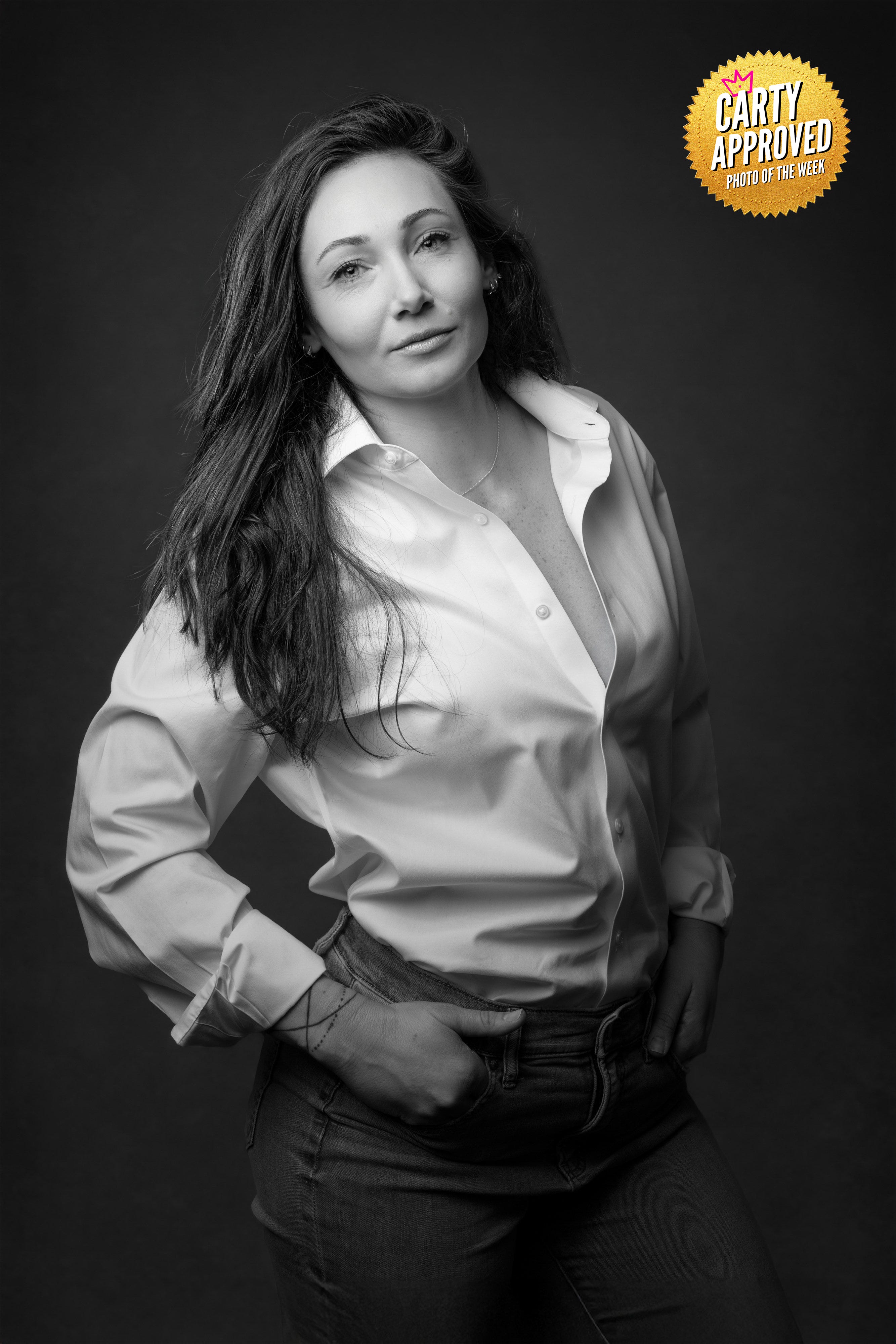
Jim Sinicki
What decisions helped you simplify the frame while preserving the strength of the message?
I’ve always been big on minimalist work whether I’m out shooting street photography, an event, or a portrait.
I’m not a big fan of adding extra fluff to an image.
The more I can allow myself to strip down in a photo, the better it’s going to be.
How did negative space contribute to the clarity and balance of the image?
I think you look at my work, you’ll see that I follow a pretty clear trend of allowing my subject to be isolated from an additional factors.
I want my subject to be the subject and I don’t want people to be distracted when they look at the photos I created.
There has to be a connection between the subject, the camera, and the viewer.
By leaving the negative space I’m able to strengthen that connection.
What role did restraint play in shaping the final composition?
To be honest, this is how I always try to shoot.
Very little went into this photo and that’s by design.
Again, if someone breaks down my photos you’re going to see that the majority of my portraits aren’t some elaborate wow the viewer with gimmicks image.
Subject, light, camera. That’s my goal in 99% of my images.
I don’t want to overthink this whole thing.
What did you intentionally remove to prevent visual distraction?
Honestly, nothing. This is just how I prefer to shoot a portrait.
How does this image reflect your ability to communicate with precision and control?
Shooting a minimalist style portrait you have to be able to tell a story with very little extra tools at your ready.
This isn’t typically something that you can shoot in the middle of a busy crowd, or on most locations.
If you want to tell a story in a minimalist style you have to be confident in your skills, and you have to have buy in from your subject.
I don’t photograph anyone unless we’re in the same page and I know I can get what I want out of them.
Social Media Handles:
IG: charlie_james_photo
Website: www.charliejamesphoto.com
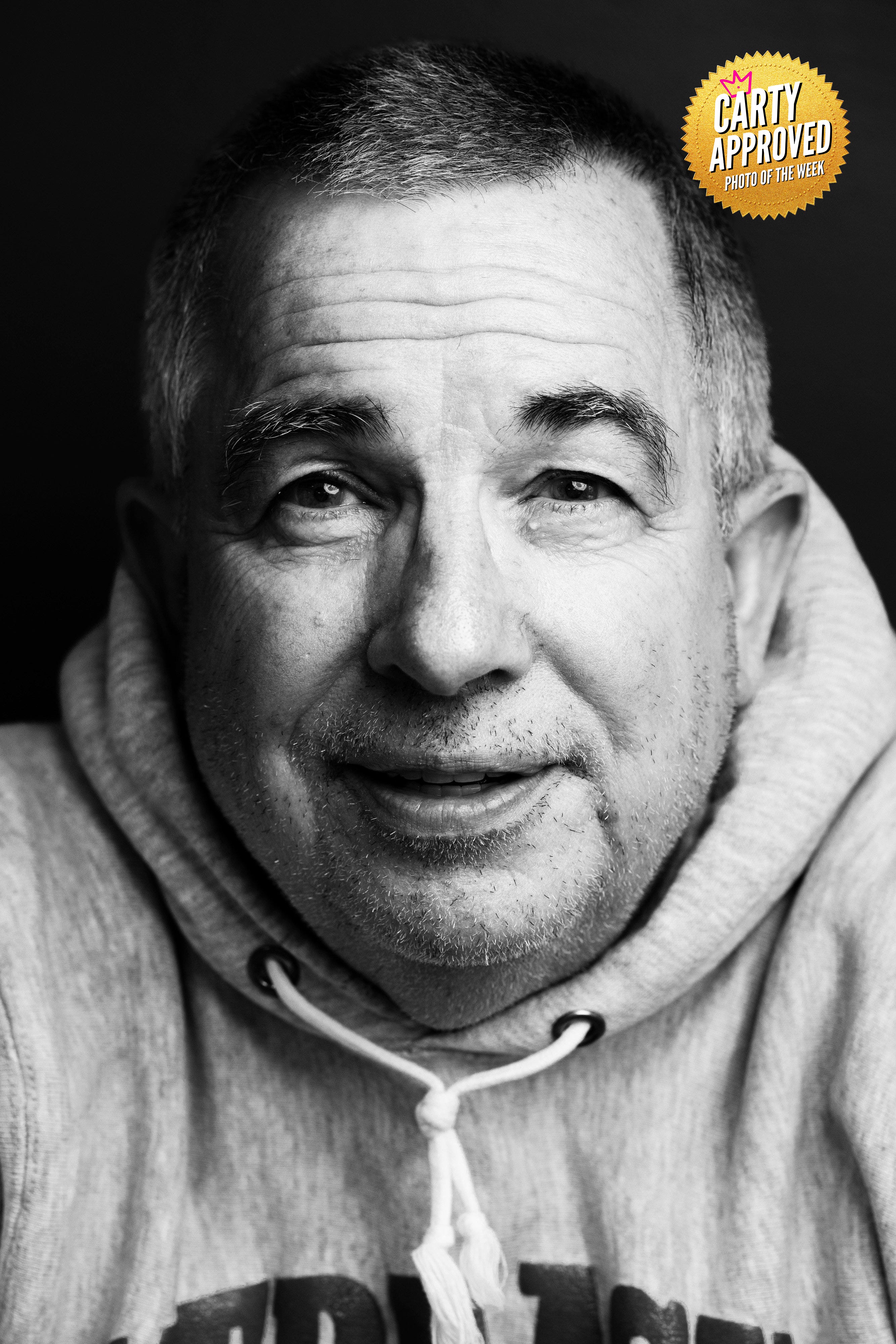
Roberto Carlos Castrejon-Perez
What decisions helped you simplify the frame while preserving the strength of the message?
In this portrait, a clean frame is a clear message.
When I shot this portrait of Jerry, I used a dedicated light source to strip away the warm, messy colorcast from the coffee shop’s incandescent bulbs.
By bringing my softbox in close, I created a rapid light falloff. This naturally deepened the background and pulled Jerry away from the wall.
Choosing an 85mm lens allowed me to use its natural compression to further dial out the background noise.
I waited in that shop until Jerry walked in; his grey hoodie and a face etched with a lifetime of stories immediately caught my eye.
By removing every distraction, I’m able to guide your attention exactly where it belongs: to the strength in his eyes and the character in the lines of his face.”
How did negative space contribute to the clarity and balance of the image?
In this image, negative space is a deliberate tool for visual clarity.
By controlling the composition to include a quiet space around the subject, I removed the competing ‘noise’ that often clutters up environmental portraits.
This balance creates a singular focal point, ensuring the viewer’s attention isn’t divided.
It allows Jerry’s expression to carry the frame, providing a sense of composure and breathing room that reflects a calm and experienced life.
What role did restraint play in shaping the final composition?
Restraint was essential in keeping this portrait grounded.
Instead of imposing forced or ‘perfected’ poses, I chose to step back and let Jerry’s natural gestures lead the way.
By focusing on our conversation about his life as a retiree, I used restraint to ensure the camera captured a moment of genuine reflection rather than a staged performance.
The result is a composition that feels honest, balanced, and precisely aligned with who Jerry is.
What did you intentionally remove to prevent visual distraction?
To ensure the frame remained clean, I took a subtractive approach to the environment.
Since we were in a busy coffee shop, I intentionally moved Jerry away from the visual ‘noise’ of wall stickers and frames that would have competed with his silhouette.
I also removed the coffee cup from the foreground; while it was a natural part of the setting, it acted as a physical barrier between the viewer and the subject.
By stripping away these environmental elements, I preserved the message’s strength and kept the focus entirely on Jerry’s character.
How does this image reflect your ability to communicate with precision and control?
This image is a direct result of intentional technical control used to eliminate visual ‘noise.’
By precisely managing the light falloff, I was able to separate the subject from a cluttered environment, ensuring the viewer’s eye is locked onto the most important element: the subject’s expression.
My ability to communicate with precision is reflected in the deliberate choice of optics and exposure to simplify the frame, showcasing my ability to construct the portrait by removing distractions and using compression to create a balanced, high-impact portrait that communicates authenticity without saying a word.
Social Media Handles:
IG: portraits.rc
Website: portraits-rc.com

Jessica Mendez
What decisions helped you simplify the frame while preserving the strength of the message?
Using a macro lens and focusing on the shapes created by garnish, glass and base of glass kept it elegant and focused on the subject.
Removing other props let me focus on the how the light hit the liquid and hugged the garnish.
How did negative space contribute to the clarity and balance of the image?
This photo was meant to be reduced to a very few elements.
It would be too overwhelming if the drink took up the whole frame.
I think the negative space helps the eyes to breathe and really take in the image.
I spent a good deal amount of time making sure the glass sat in the best spot in the frame.
Even the position where the garnish sat in the drink was deliberate and shot until just right to my eyes.
What role did restraint play in shaping the final composition?
It was important to keep the image clean and uncluttered.
I wanted the surface that the glass sat on to complement the colours of the drink but not distract from it.
I chose a pink marble surface but chose the part of surface that had the least marble pink colour to be a little pink but not have streaks that distracted from the drink.
What did you intentionally remove to prevent visual distraction?
I removed any distracting streaks/shapes that were on my background by choosing the simplest part of the surface.
I did not use any ice in the drink, just let the liquid surface of the drink shine.
I did add a dehydrated citrus to add textured contrast to the smooth texture of the drink.
How does this image reflect your ability to communicate with precision and control?
I discovered that having fewer elements really allowed me to focus on the details and work those out until it was right to create a nice image.
This image showed me that a good image doesn’t need a ton of props to be compelling.
Social Media Handles:
IG: drjessicahughes
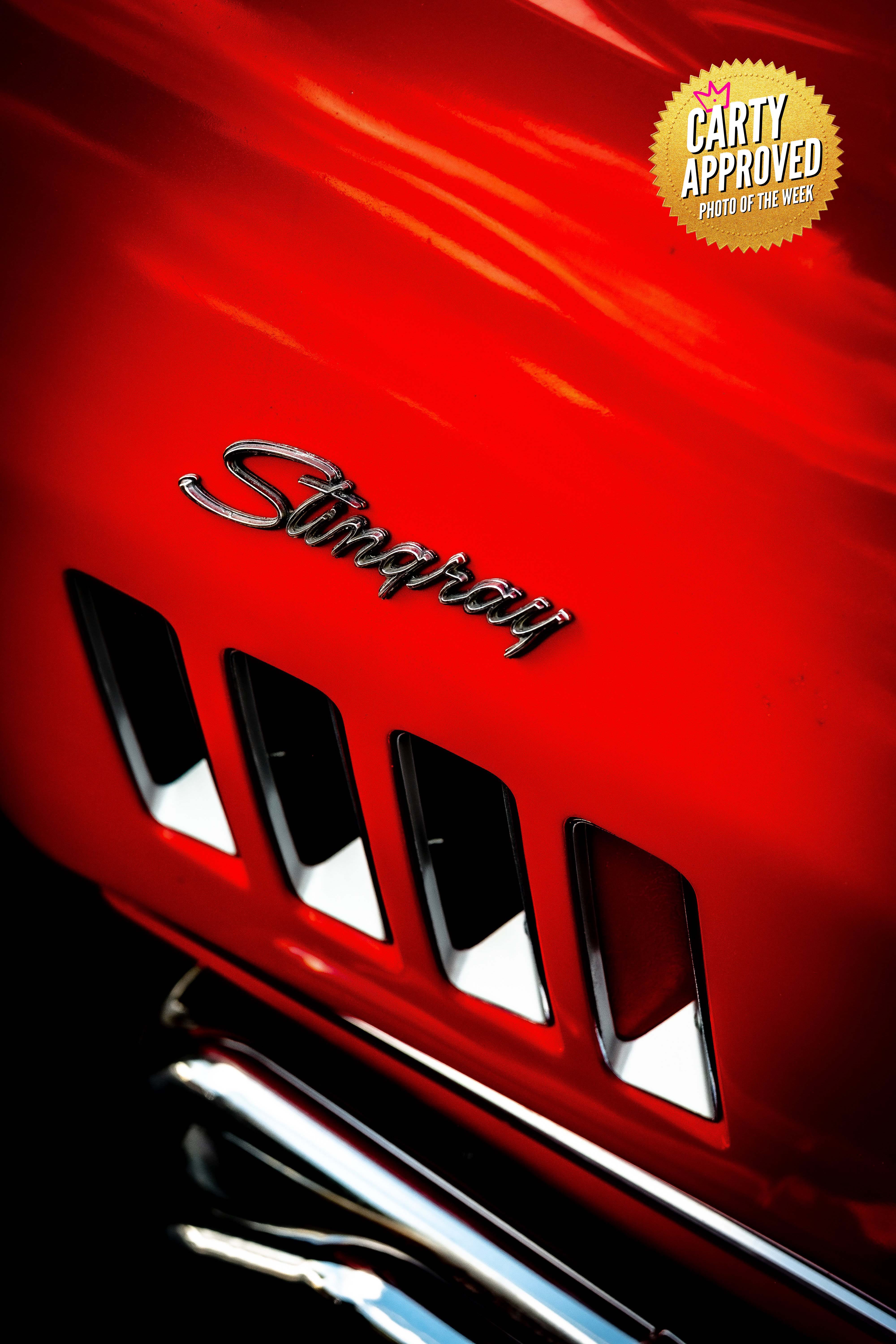
Jim McDonald
What decisions helped you simplify the frame while preserving the strength of the message?
I chose a tight crop, I didn’t show the entire car.
I chose the “Stingray” badge and the vents as a single focal subject.
I liked the controlled colour palette of using primarily red.
For me, the crop screams attitude.
How did negative space contribute to the clarity and balance of the image?
The negative space emphasizes the emblem and the vents.
It starts and “Stingray” then drops the eye to the vents, and then the exhaust pipes.
What role did restraint play in shaping the final composition?
I think it comes from choosing to show “parts” and not the whole.
I chose a part of the car, not the entire side of the car.
I tried to let this portion of the car speak for the entire vehicle.
What did you intentionally remove to prevent visual distraction?
I removed what was behind the vehicle, the busy environment of the shop.
I focused on one specific part of this car and not the entire vehicle or the entire side of the vehicle.
How does this image reflect your ability to communicate with precision and control?
I controlled what the viewer sees by narrowing the scope of the photo.
The emblem- Stingray, is the heritage of the vehicle.
The side pipes scream performance.
The red is the theme for this muscle car, its dramatic in nature.
I’m, controlling your blood pressure...this colour should elevate it!
Social Media Handles:
IG: jhm_soultions_llc
Website: jhmphotography.com
YouTube: jhmphotography

Mira Lee
What decisions helped you simplify the frame while preserving the strength of the message?
Leave out everything that isn’t essential, so the focus lies entirely on what really matters.
No distractions, and what remains becomes amplified.
“Reduce to the max”: an approach I live by.
How did negative space contribute to the clarity and balance of the image?
It makes it clean, calm, minimal and overall cohesive.
What role did restraint play in shaping the final composition?
If there’s an option to make it even simpler, choose that one.
Even the pose: how can it be as simple and natural as possible, yet still strong?
What did you intentionally remove to prevent visual distraction?
Extra colours, wide poses, any kind of decorative element.
Anything that could be simplified, I did.
How does this image reflect your ability to communicate with precision and control?
I’m intentional and precise with every photo, focusing on the details I can control.
But what I’m really communicating is a feeling, a vibe, a story; anything but technical details.
That’s the power: crafted with intention and control, yet received as pure emotion.
Social Media Handles:
IG: miralee.photography
Website: miralee.nl
Linkedin: miraleephotography
Professional feedback will change your reality. Joining Portfolio Lab is the only way.
👉🏾 Carty a Pro Photographer, Director, and Educator based in Toronto, CA.
His goal is to educate and connect a global network of visual creators.
👉🏾 Masterclass Level Photography Business Education from a 35yr Pro 👈🏾 on YouTube
See work at 👉🏾 SteveCarty.com
Work with him 👉🏾 TheCartyMethod.com
Subscribe to The Carty Method Magazine to see the best new photographers from all over the world level up right before your eyes. Weekly photographer transformations are happening right now.
Become a smarter photographer in 5 minutes a week by Subscribing to CARTY on The Carty Method - Substack.
Watch the replay of these photo submissions below.