
Lighting with Intention
When you control the light, you control the story.


Welcome to This Week’s Edition of The Carty Method Magazine
Light is one of the first creative decisions every photographer makes.
Sometimes we wait for it.
Sometimes we create it.
This week’s assignment challenged photographers to take full control of their scene by making artificial light the primary source of illumination.
Whether using flash, LED panels, practical lighting, or neon, the objective remained the same: shape the image with intention rather than reacting to the environment.
Artificial light doesn’t simply brighten a subject.
It gives photographers the ability to direct attention, create mood, and build an image exactly as they envision it.
The moment you create the light, you become responsible for everything it reveals.
Why This Matters
Learning to work with artificial light is about far more than mastering equipment.
It teaches photographers to think deliberately about mood, direction, contrast, and visual hierarchy.
Every lighting decision influences how the viewer experiences the photograph.
Whether using a single light or a more complex setup, the goal remains the same: create images that feel intentional, refined, and unmistakably your own.
Assignment Brief
At the end of each review session, CARTY delivers a focused brief outlining exactly what members will create for the following week.
This week, photographers were challenged to create an image using artificial light as the dominant source of illumination.
Rather than relying on available light, participants were encouraged to shape the scene using flash, LED panels, studio lighting, neon, practical lights, or other man-made sources to create mood, depth, and visual impact.
The objective wasn’t simply to light the subject.
It was to control the viewer’s experience.
The strongest images this week demonstrated more than technical lighting skills.
They showed intention.
Each photographer made deliberate choices about where the light would fall, what it would reveal, and how it would guide the viewer through the frame.
These are the photographers whose work stood out.
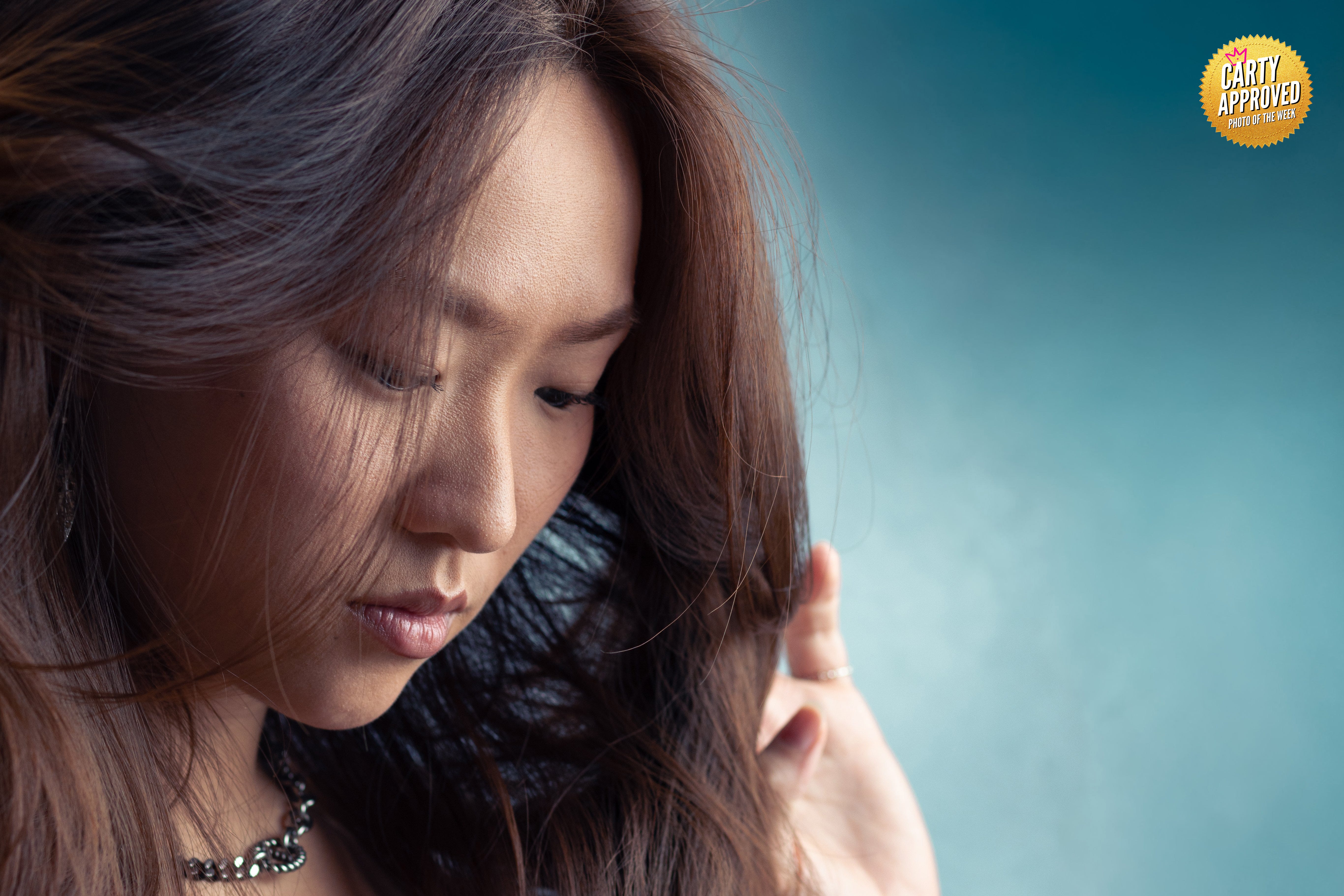
Ozzy Stewart
What was the vision you had before picking up the camera?
I wanted to create a portrait that felt simple, honest, and intentional.
My focus wasn’t on making the image feel flashy.
I wanted the light and composition to naturally draw people into the subject and leave them feeling like they had a real moment with that person.
What role did artificial light play in bringing that vision to life?
Artificial light gave me the control to shape the mood exactly how I imagined it.
I used it to gently sculpt the light on her, add depth, and keep the attention where I wanted it.
My goal was for the lighting to feel natural, even though it was carefully crafted.
What part of the lighting setup are you most proud of?
I’m most proud of how subtle the lighting feels.
It wasn’t about using a complicated setup.
It was about making one light work well and finding the right balance between light and shadow so the portrait felt clean, dimensional, and authentic.
What challenged you the most during this assignment?
The biggest challenge was resisting the urge to overcomplicate the setup.
It’s easy to think another light or another modifier will improve the image, but this assignment reminded me that stronger photographs often come from making fewer, more intentional decisions.
Refining the position of a single light required patience, but it made a noticeable difference.
What’s one lesson from this assignment that you’ll carry into future work?
This assignment reinforced that mastery comes from understanding light, not accumulating gear.
Small adjustments in light placement can completely change how a portrait feels.
Going forward, I want every lighting choice to have a purpose and continue creating portraits that feel authentic, cinematic, and emotionally grounded.
Social Media Handles:
Website: ozzystewart.com
Instagram: ozzy.stewart
Substack: Between Light & Shadow by Ozzy Stewart
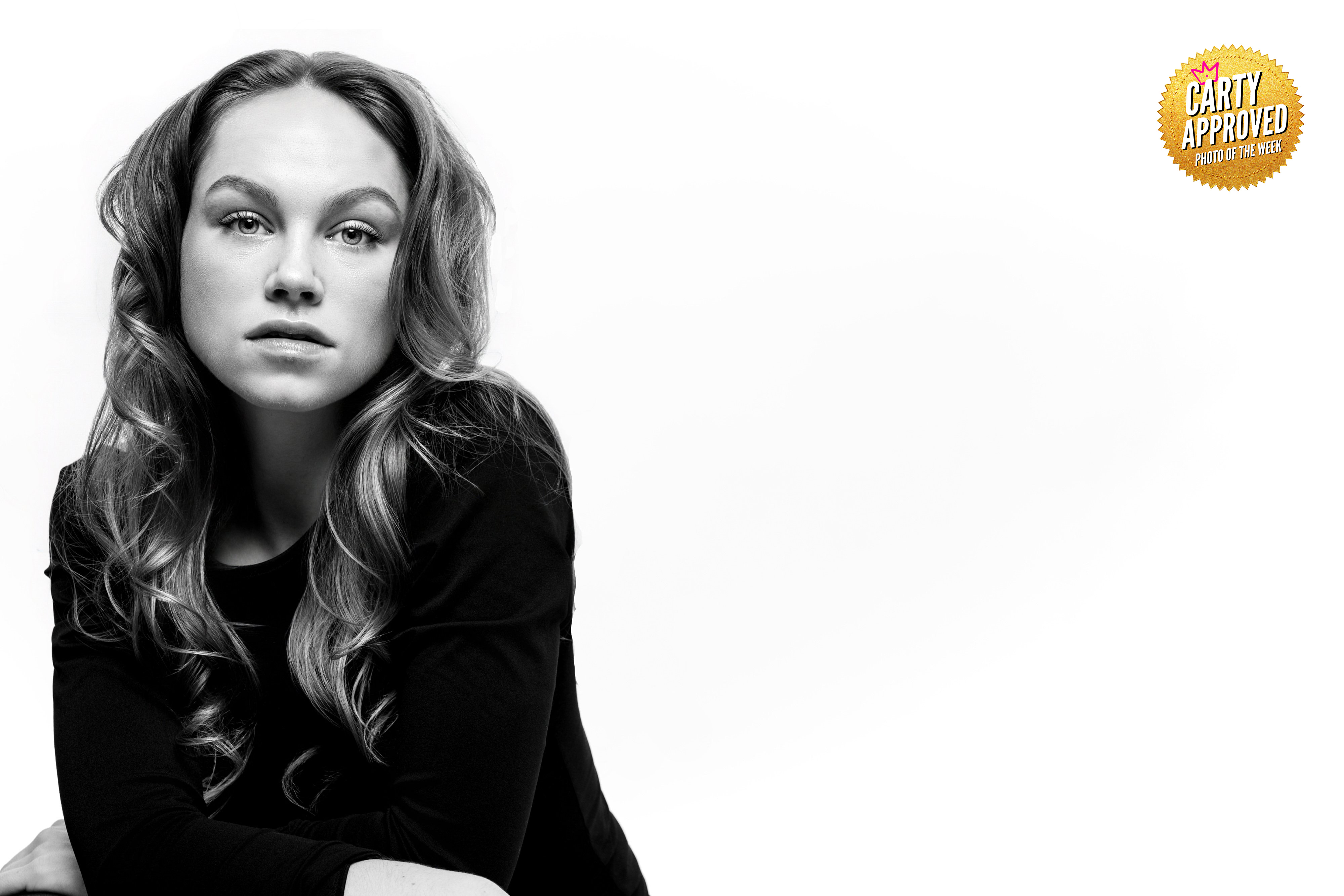
Sonny Warren
Social Media Handles:
Website: sonnywarrenphoto.com
Instagram: sonnywarrenphoto
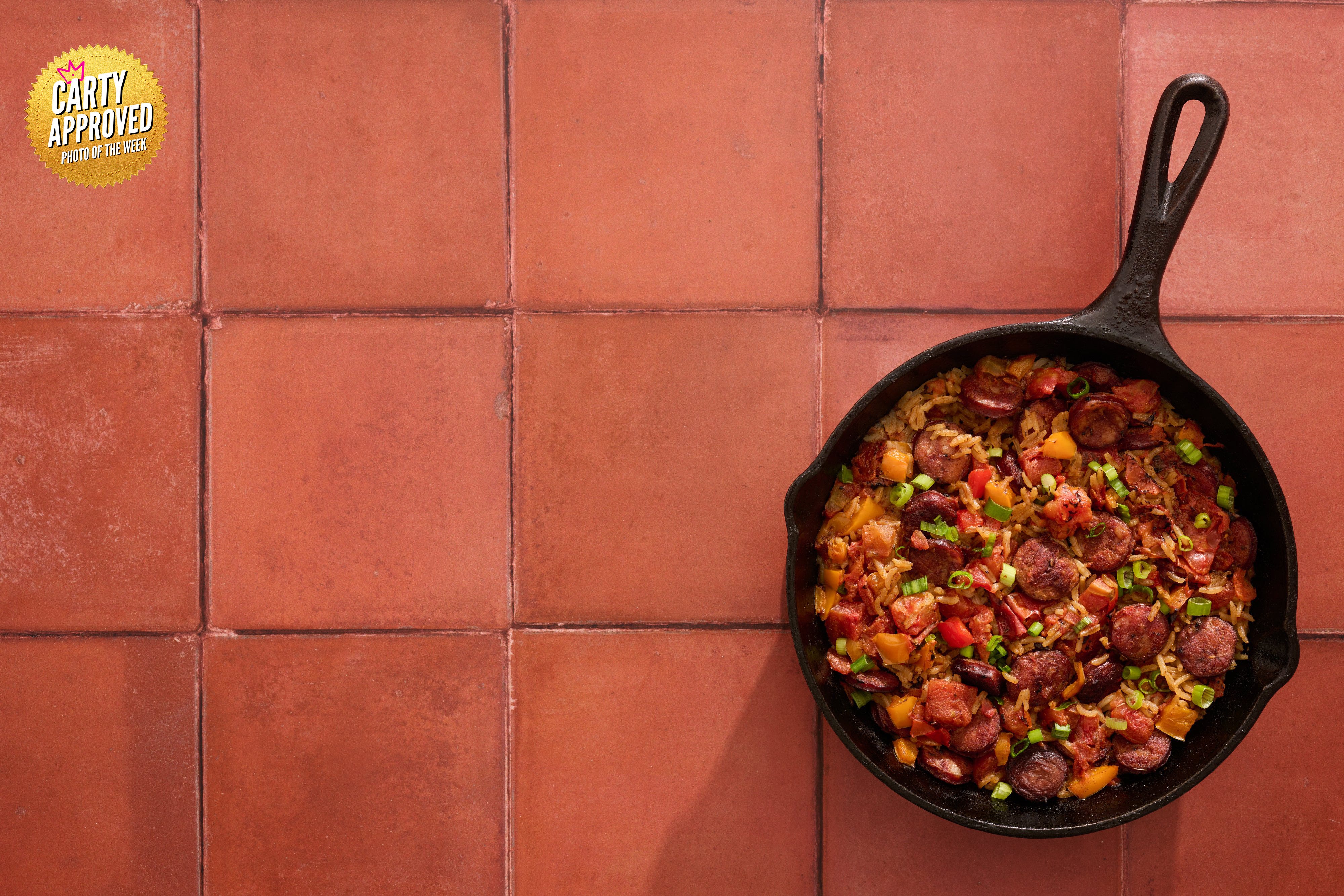
Jessica Mendez
What was the vision you had before picking up the camera?
I’d been wanting to photograph food in a skillet for a bit now and I happened to be cooking with it that day.
I wanted to create a cozy image, something that gave the feeling of comfort food. I equate skillet meals with warm comfort.
I like the way the tiles add visual interest to the negative space without detracting from the dish.
I think I accomplished what I set out to achieve.
What role did artificial light play in bringing that vision to life?
I wanted to emulate afternoon light and have a scene that was not fussy and had little distraction.
My intention was to let the light and colors do the talking. I played with the angle and length of the shadows to get it just right and was very pleased with the result.
What part of the lighting setup are you most proud of?
I’m proud that I’m getting better at placing the light in a position where it isn’t dramatically brighter in the corner closest to the strobe.
I was a bit discouraged at first but I kept experimenting and eventually got it just right.
What challenged you the most during this assignment?
I thought my biggest challenge would be the brightly lit corner due but it ended up being the unevenly placed tiles of my background.
The background I had was made to be imperfect.
I had to take the photo so many times with micro adjustments to find the most pleasing placement to avoid appearing sloppy or distracting.
What’s one lesson from this assignment that you’ll carry into future work?
That it can pay off to stick with the plan and solve a problem.
I’m glad I didn’t bail when things got a bit frustrating.
I could have quit and just changed out my background for something else but I was committed to the combination of the red tiles and my subject.
I made so many minor and major adjustments and found the best placement.
My determination paid off.
Social Media Handles:
IG: drjessicahughes

Michael Walls
Social Media Handles:
Website: michaelwallsphotography.com
Instagram: wallsofmemoriesphotograhpy

Mike Howell
What was the vision you had before picking up the camera?
Putting together a series of portfolio shots that Will meet the standard.
Make the grade I mean there’s ways of saying it, but I’m just learning to make acceptable photography in the commercial realm.
What role did artificial light play in bringing that vision to life?
The series of photographs that I’m working on is my first venture into the presentation of a product in a commercial way.
Finding the right formula and combination of product and light and presentation then has to be repeatable.
Artificial light gives you that ability.
Trying to shoot this outside.
Your light would be changing by the minute.
That would be a lot more complicated even than it was in a studio.
What part of the lighting setup are you most proud of?
Shooting glass and bottles is all about round surfaces and gradient light.
Getting just the right amount of light so that you don’t have hotspots where parts of your label are blown out and parts of your label are in shadow or underexposed takes practice and awareness.
Add placement in composition and it is complicated but ... there is a formula.
And I finally saw that in this image. I saw the formula that would make it a double page spread and put it together.
What challenged you the most during this assignment?
Depth of field and multiple focus points on a curved surface .
Shooting at F 32 gives you the advantage of the best possible focus both near the front and the rear of the picture.
The light that is needed to go along with that has to be modified.
Working with light modifiers and composition around a curved surface while shot at an angle, a lot can go wrong.
What’s one lesson from this assignment that you’ll carry into future work?
Stop thinking about shooting wide open and start thinking about what you want people to see.
Even on a small table with a champagne bottle that’s only 14 inches long.
I could not have done this with a wide open lens setting.
Use light and vocal link to your advantage.
And also know the right lens.
I did this with three different lenses before I got the focal link that worked the best for the shot.
35 mm was too wide 100 mm macro was too close.
You can change lenses and completely change the results.
Social Media Handles:
Website: N/A
Instagram: N/A
Professional feedback will change your reality. Joining Portfolio Lab is the only way.
👉🏾 Carty a Pro Photographer, Director, and Educator based in Toronto, CA.
His goal is to educate and connect a global network of visual creators.
👉🏾 Masterclass Level Photography Business Education from a 36yr Pro 👈🏾 on YouTube
See work at 👉🏾 SteveCarty.com
Work with him 👉🏾 TheCartyMethod.com
Subscribe to The Carty Method Magazine to see the best new photographers from all over the world level up right before your eyes. Weekly photographer transformations are happening right now.
Become a smarter photographer in 5 minutes a week by Subscribing to CARTY on The Carty Method - Substack.
Watch the replay of these photo submissions below.