
Intelligent Imitation
A reinterpretation that honours influence while revealing a distinct creative voice.

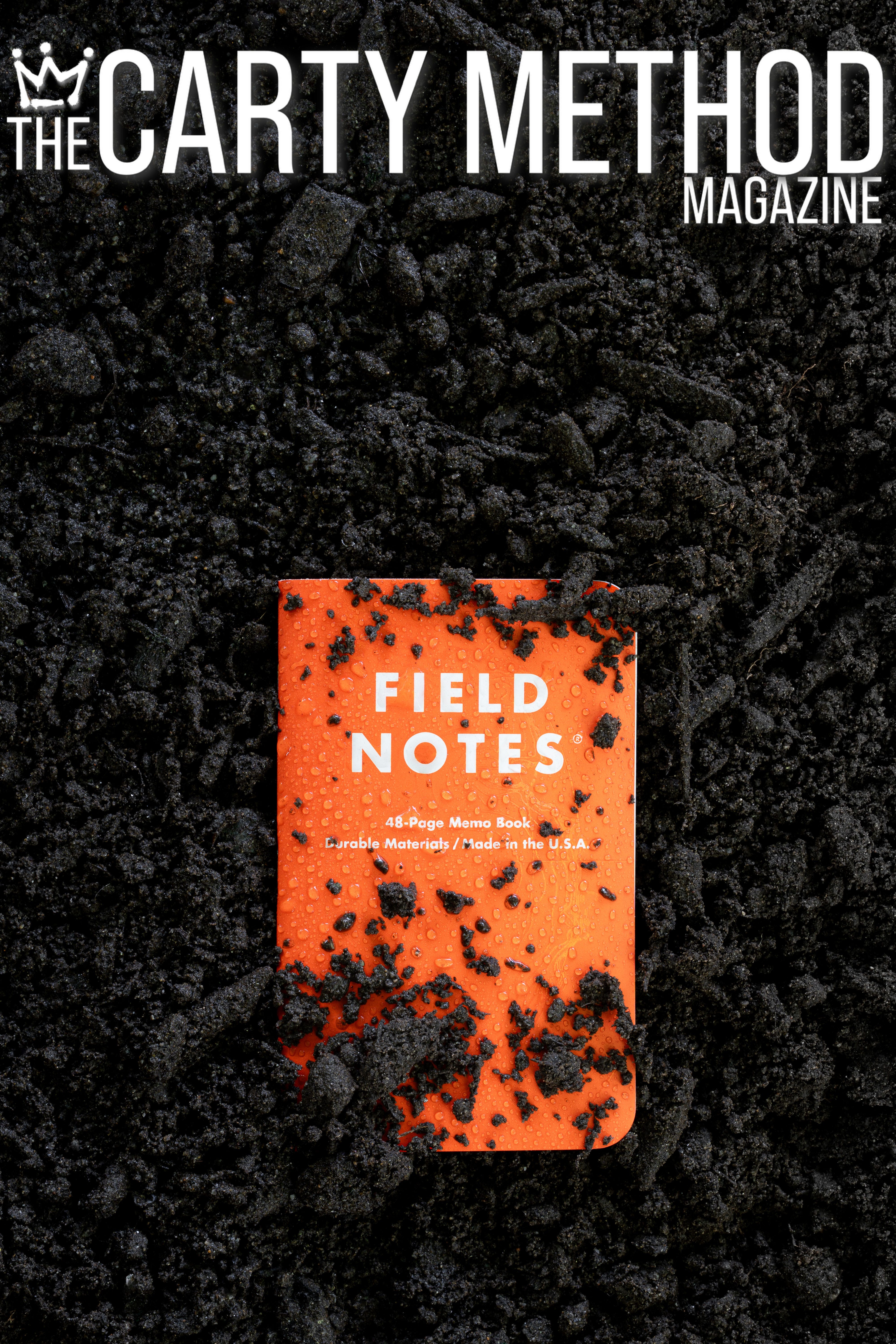
Welcome to This Week’s Edition of The Carty Method Magazine
This week, photographers were challenged to study the work of a master and reinterpret it through their own creative voice.
Rather than copying an image, members were asked to analyze what makes a photograph powerful.
For example, take light, structure, mood, and emotional tension and translate those elements into a new image shaped by their own perspective and identity.
The goal was not duplication, but transformation.
Why This Matters
Creative growth begins with observation.
By studying the work of photographers they admire, participants learn to decode the decisions behind powerful imagery, how light is shaped, how emotion is conveyed, and how structure guides the viewer’s eye.
When imitation is approached with intention and interpretation, it strengthens technical skill, deepens visual literacy, and helps photographers discover what truly defines their own voice.
Understanding influence without losing originality is essential for developing a recognizable style.
Assignment Brief
At the end of each review session, CARTY delivers a focused brief, outlining exactly what members must create for the following week.
Here is the assignment exactly as it was shared:
“This week’s assignment: Intelligent Imitation.”
Participants were asked to study an image created by a photographer they admire and reinterpret it through their own creative perspective.
The objective was to identify what makes the original image powerful. Rebuilding concepts such as light, structure, emotion, or atmosphere into a new photograph that reflects their personal style and identity.
Members submitted their reinterpretation alongside the original reference image to demonstrate both influence and transformation.

Allison Diller
Social Media Handles:
IG: allisondiller
Website: allisondiller.com

Donna Crantshaw
What drew you to the original photograph, and what did you identify as the key elements that made it powerful?
The original image I found on the Fenty website and it was the shadows were the key elements.
How did you translate those elements into your own visual language rather than simply recreating the image?
I just wanted a different view, so I just tilted the products so I could have the shadows showing underneath well as on the side.
I also wanted to have the background match the color of the packaging.
What decisions ensured the final photograph felt like your voice rather than the original photographer’s?
I wanted the image to standout on its own, without any props being added.
What did this process reveal about your influences and the direction of your own style?
I discovered that my style is becoming very minimal, and I want to honour the design of the product with form, texture and detail rather than over styling.
How has studying and reinterpreting this image changed the way you approach future work?
Every image has a purpose, and going forward, I want to strip away distraction so the product is seen clearly, honestly and with intention.
Social Media Handles:
IG: donnacrantshawphotography
Website: www.donnacrantshawphotography.com

Levi Wells
Social Media Handles:
IG: leviworx
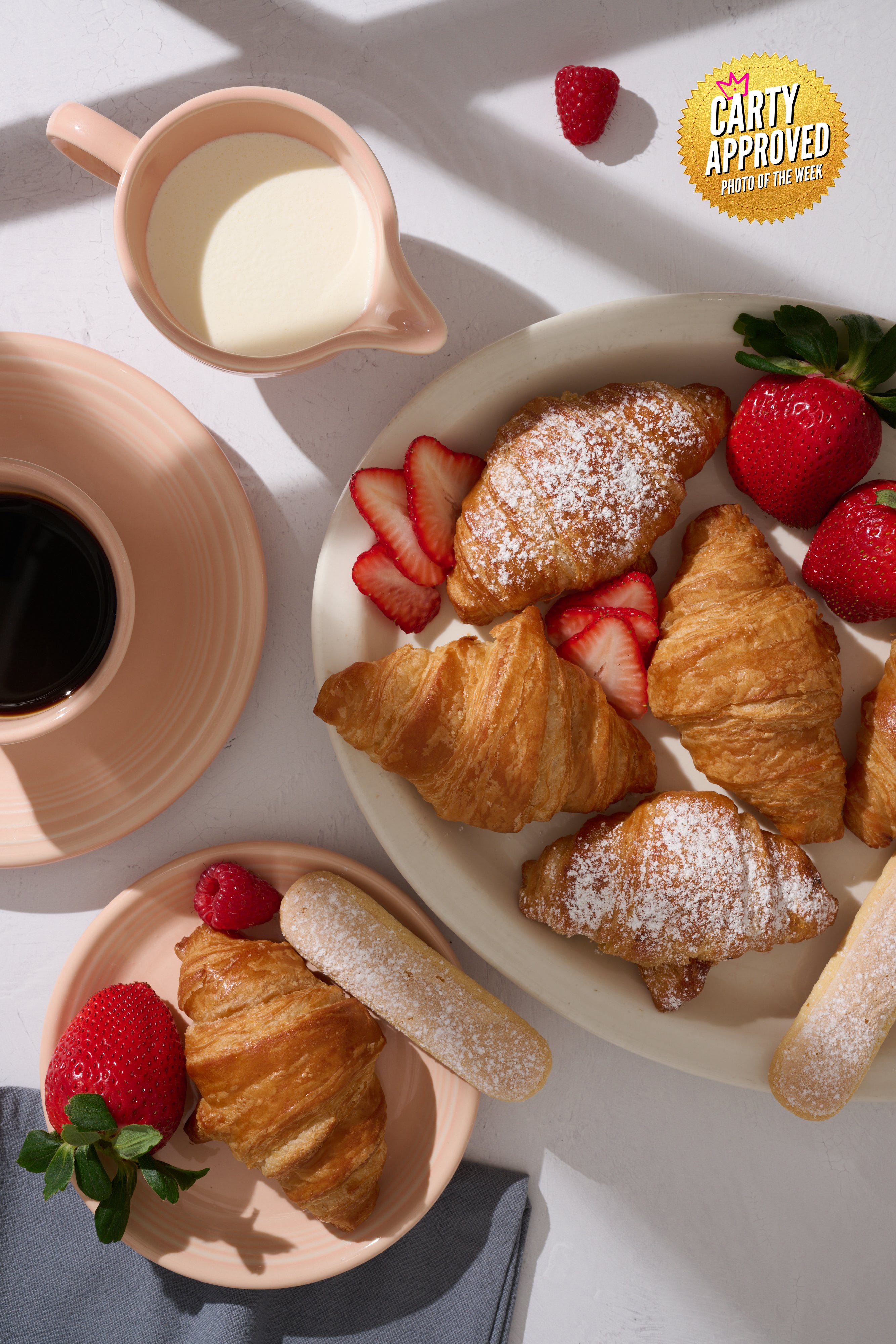
Jessica Mendez
What drew you to the original photograph, and what did you identify as the key elements that made it powerful?
I really liked the shadows to give that morning breakfast feel and the way the light hit the food and revealed the beautiful texture of the croissants.
How did you translate those elements into your own visual language rather than simply recreating the image?
I added more food elements and a tad more colour with some more berries among the main platter.
What decisions ensured the final photograph felt like your voice rather than the original photographer’s?
I probably could have done a little more as far as adding my own voice but I was very pleased with the coral pink plates, red and tan tones that came together.
I went with my own shadow design that I made with poster board and scissors.
What did this process reveal about your influences and the direction of your own style?
This was my first time shooting food and so I really am at the starting line of figuring out my style.
I am attracted to so many styles, from light and airy to dark and moody.
However, this exercise did open up a world of possibilities to playing with shadows to set the tone in the future that I look forward to.
How has studying and reinterpreting this image changed the way you approach future work?
I was satisfied with the result and it has given me confidence that I am capable of identifying the lighting needed to recreate something that inspired me.
I know I’ll miss the mark many times but this was a great boost to my enthusiasm as I start out.
I look forward to tackling more lighting situations and increasing my knowledge in that department.
Social Media Handles:
IG: drjessicahughes
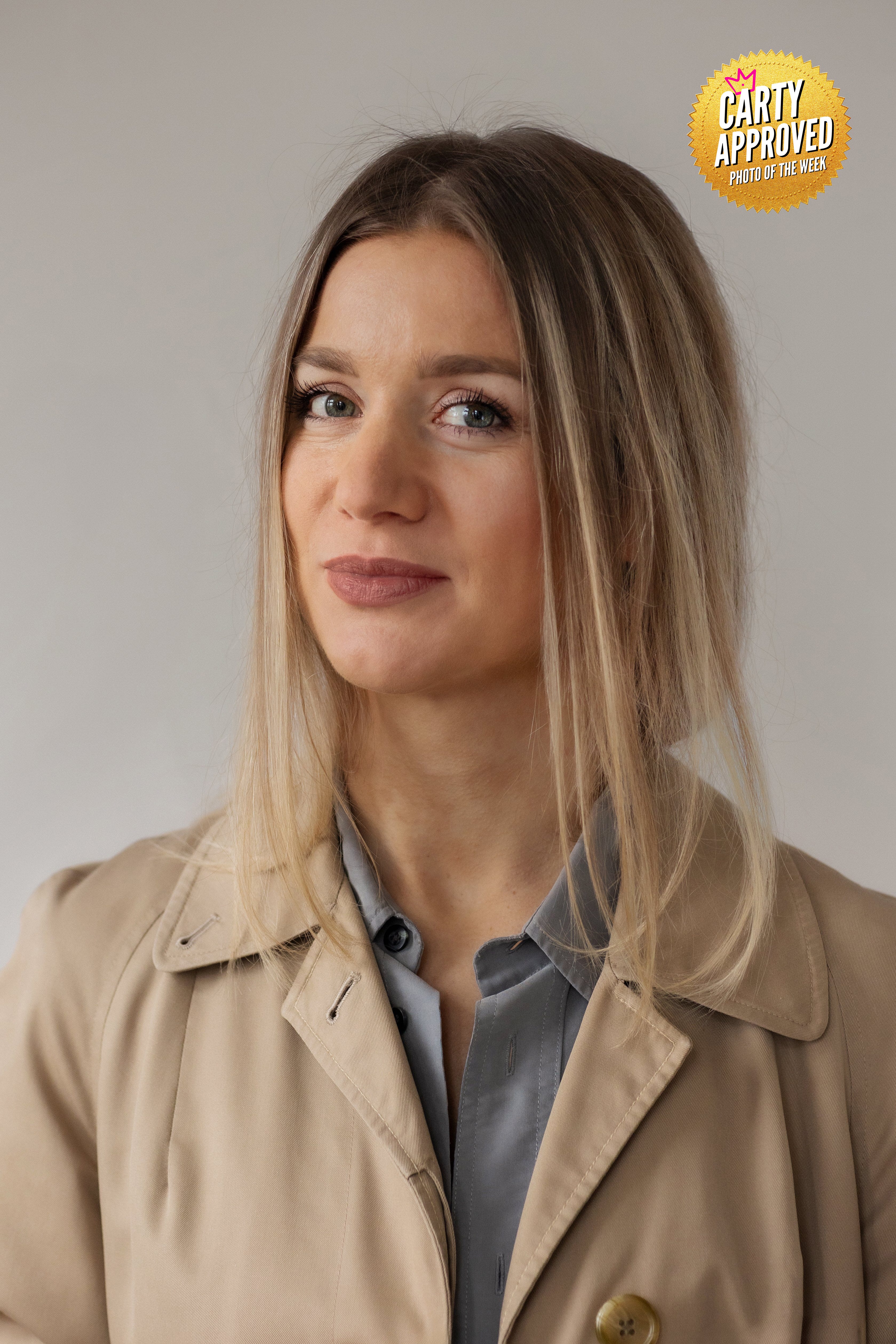
Mira Lee
What drew you to the original photograph, and what did you identify as the key elements that made it powerful?
The simplicity and the warm atmosphere with the soft tones.
The combination of playful hair and chic outfit, and an overall natural look.
How did you translate those elements into your own visual language rather than simply recreating the image?
I’m introducing also the warm, muted golden colours, as well as softened shadows into my portrait.
What decisions ensured the final photograph felt like your voice rather than the original photographer’s?
The expression.
I want to keep my subject approachable, relatable and likeable, the viewer shouldn’t feel distanced from them but should be able to connect.
Her subtle smile conveys more openness than the serious expression in the original photo.
What did this process reveal about your influences and the direction of your own style?
I’ve realized my style is more distinctive than I thought. Even when studying or imitating someone else’s work, it still ends up looking like mine.
I’ve come to understand that style is so personal that it can’t be easily changed– which is a good thing.
How has studying and reinterpreting this image changed the way you approach future work?
I would identify a few essential elements in an inspiring photo and apply them to my own work.
I wouldn’t try to turn it into something else. Reinterpreting means creating my own version of it, sticking to my signature style while letting it be (strongly) influenced by the reference photo, giving it its own flavour.
Social Media Handles:
IG: miralee.photography
Website: miralee.nl
Linkedin: miraleephotography
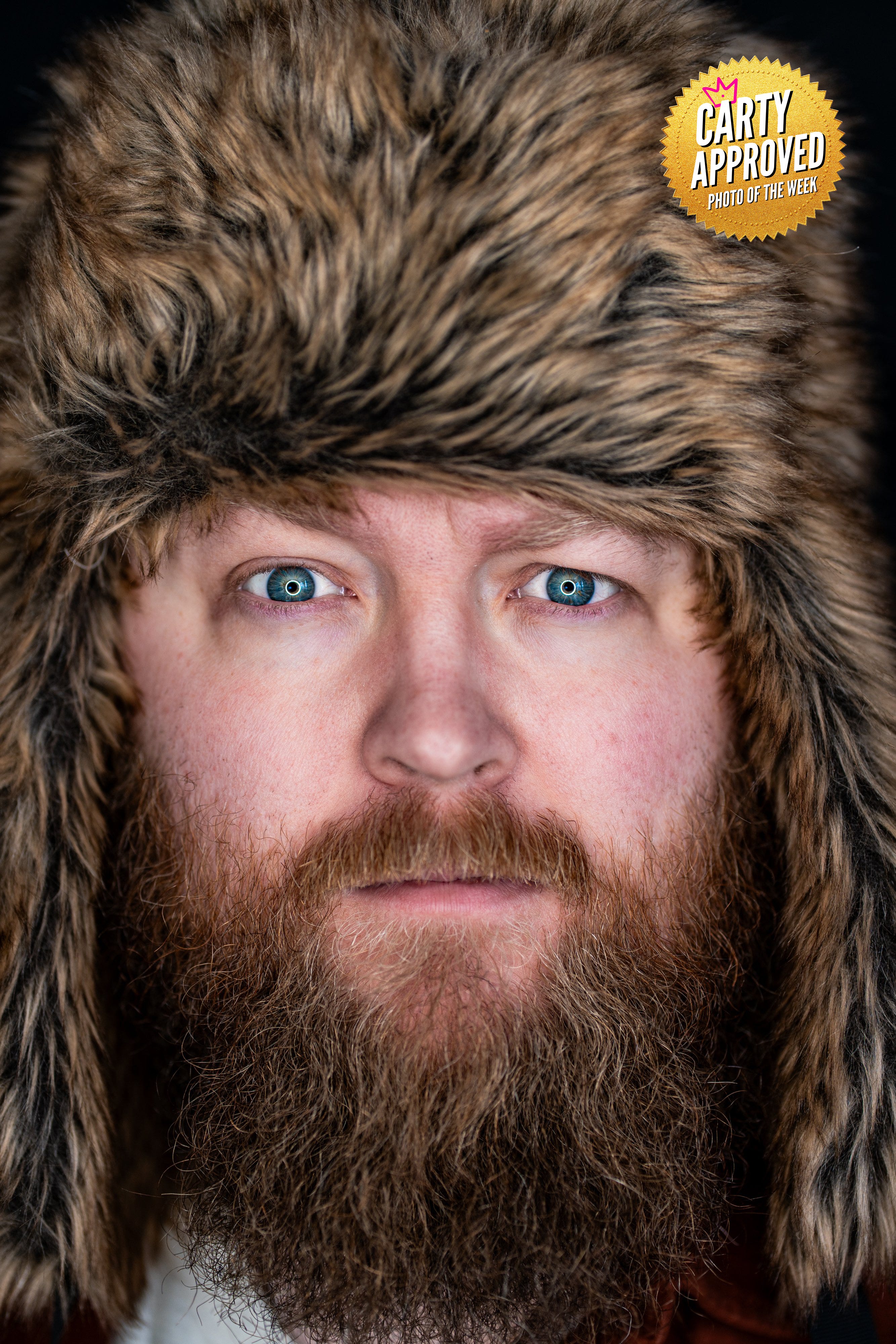
Jim Sinicki
What drew you to the original photograph, and what did you identify as the key elements that made it powerful?
I have always been a big fan of Mark Mann, so when I we got the assignment from Carty I knew I wanted to choose one of his images.
I went with his image of Scorsese because this portrait just had this weird mix of softness and texture to it that I really enjoyed.
How did you translate those elements into your own visual language rather than simply recreating the image?
Being an artist is all about doing things your own way.
Mark shoots wide open, and there’s nothing wrong with that, but my personal taste is to shoot on a much more closed aperture, I want to see as many details as possible in my images.
Even though I shot this image pretty open I still kept it small enough to capture every detail.
What decisions ensured the final photograph felt like your voice rather than the original photographer’s?
I couldn’t live with myself if I knew I put something out in this world that I ripped off of someone else.
Ideas and vision are so personable and they should be held close to our own.
If I took someone’s image and copied it completely I would feel like a fraud.
I wanted to pay homage to one of my favourites, not recreate him.
What did this process reveal about your influences and the direction of your own style?
That my style can be fluid, it’s not set in stone.
Never in a million years did I ever think I would enjoy shooting an image like this, but now I want to incorporate it into my work even more.
How has studying and reinterpreting this image changed the way you approach future work?
When I was planning this image out I had doubts that I cold pull it off because its so different than how I shoot, but I told myself “Fu*k it, lets get weird today.” and honestly it’s kinda become my Mantra since then.
Who cares if its not what you personally want “lets get weird.”
Social Media Handles:
IG: charlie_james_photo
Website: www.charliejamesphoto.com
Professional feedback will change your reality. Joining Portfolio Lab is the only way.
👉🏾 Carty a Pro Photographer, Director, and Educator based in Toronto, CA.
His goal is to educate and connect a global network of visual creators.
👉🏾 Masterclass Level Photography Business Education from a 35yr Pro 👈🏾 on YouTube
See work at 👉🏾 SteveCarty.com
Work with him 👉🏾 TheCartyMethod.com
Subscribe to The Carty Method Magazine to see the best new photographers from all over the world level up right before your eyes. Weekly photographer transformations are happening right now.
Become a smarter photographer in 5 minutes a week by Subscribing to CARTY on The Carty Method - Substack.
Watch the replay of these photo submissions below.